As an avid reader of various gun-related books, websites, Internet forums and whatnot, I am continually surprised to find, even in this advanced day and age, people who are still full of dire concern over the idea of carrying a 1911 with a cartridge in the chamber, or in “Condition 1,” as the late Jeff Cooper put it in his many writings on the subject.

This subject has been done to death, in my opinion, and I hesitated to even bring it up, but there is still (amazingly) a lot of ongoing debate as to whether or not empty-chamber carry is the safer method, and I believe it’s way past time to knock that crap off.
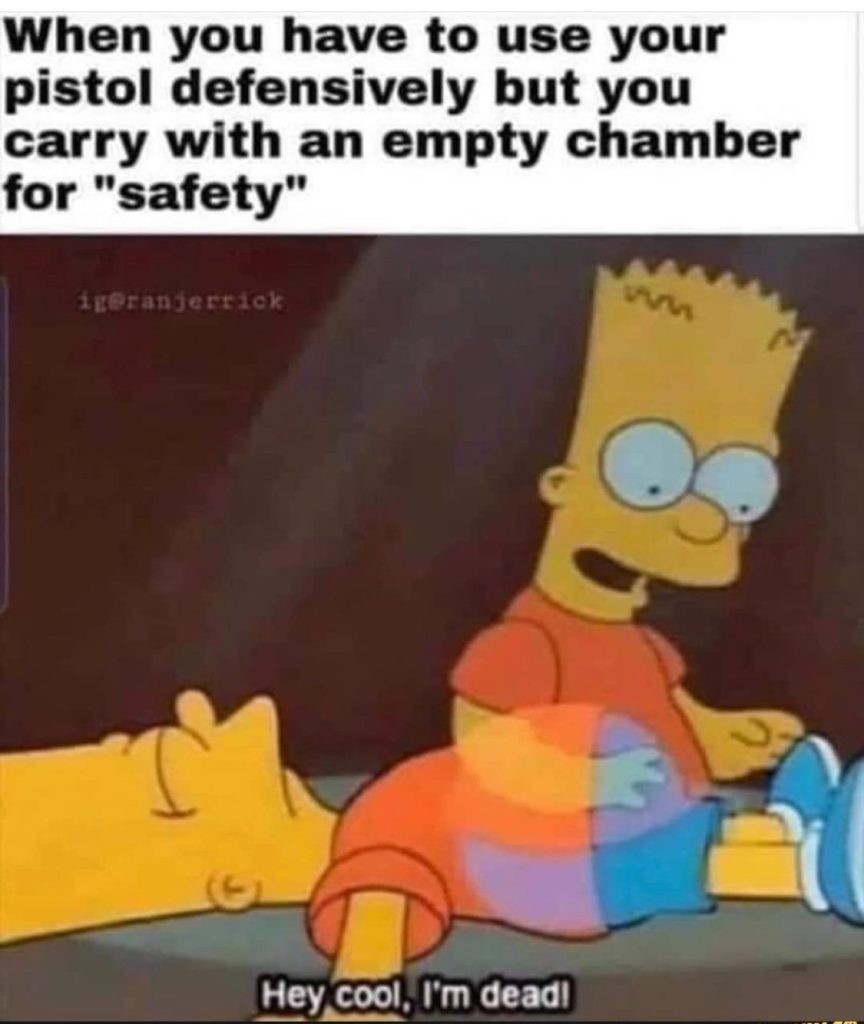
Condition 1 is one of three carry conditions enumerated by Cooper and many others as the method of carry for the preferred semi-auto handgun of the time, the venerable 1911, and it consists of carrying the piece with a loaded magazine inserted, hammer fully cocked, the thumb safety engaged and a cartridge loaded in the chamber. It is the ideal, and most common method of carry for the 1911 and just about every other modern single-action, semi-auto handgun with a thumb safety (like the popular CZ-75, say), because it enables near- instantaneous readiness from the draw/presentation to the first shot. All you have to do is draw, present, disengage the thumb safety and acquire your target before firing.

Condition 2 is consists of carry with loaded magazine inserted and the hammer down on a loaded chamber, which requires the shooter to manually cock the hammer after the draw, present the pistol and acquire the target before firing. This is easily the most dangerous of the three methods, due to the necessity of simultaneously pulling the trigger and manually lowering the hammer on a loaded chamber. If your off-hand thumb and forefinger slip off the hammer during this step, the resulting accidental discharge can result in anything from a mild scare to a shame-faced trip to the hospital, or worse. I can’t imagine any valid reason for carrying a single-action semi-auto pistol in this readiness condition, and definitely do not recommend it.
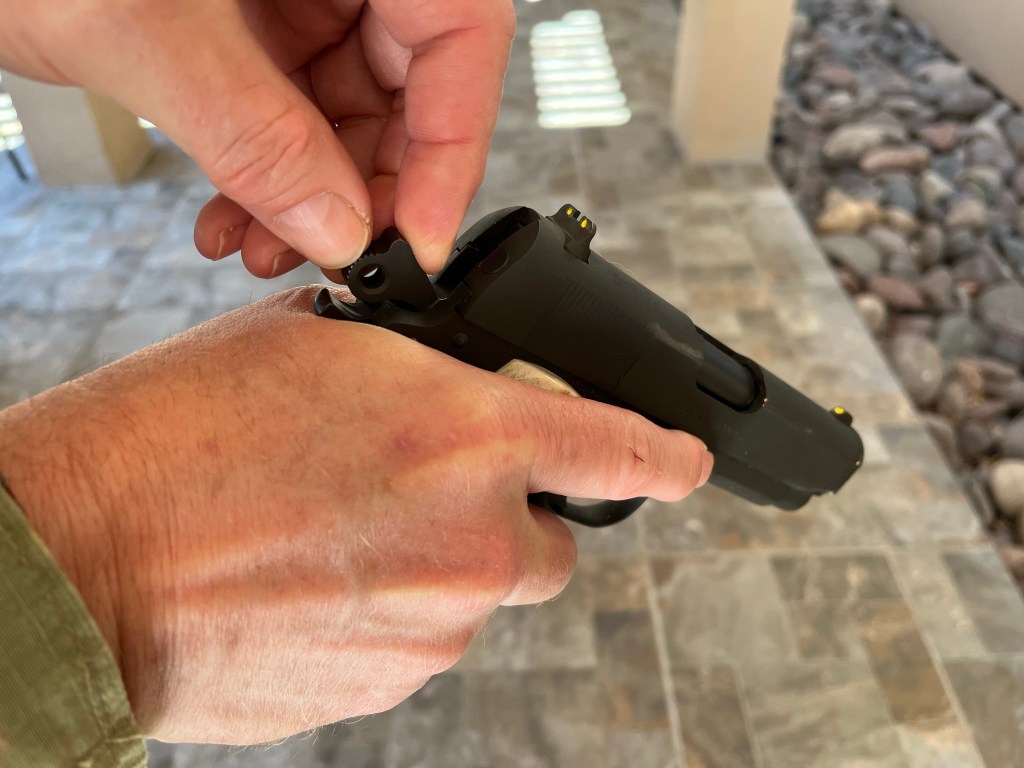
Condition 3 consists of carry with a loaded magazine inserted, hammer down on an empty chamber. This means the shooter is forced to take even more time and use more frantic manipulations to get his/her piece into action, which could be…disconcerting…if the shooter is receiving incoming fire or being physically attacked during his/her efforts to get the handgun up and running. This is touted as the much-vaunted ‘Israeli method,” and is advocated by some individuals and organizations here and there, but again, I can’t see any good reason to carry this way, and don’t recommend it.
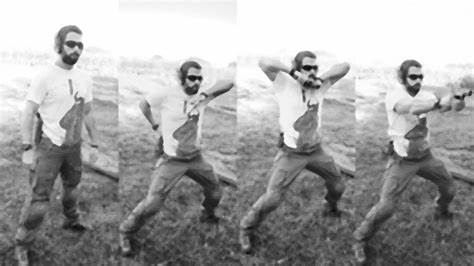
(Internet photo)
There’s an even worse version of Condition 3 that involves carrying without a magazine in the weapon, hammer down on an empty chamber, and I still reel in disbelief that this is even a thing. I personally saw this asinine method of carry quite frequently overseas, and I don’t care what its proponents have to say about how “safe” it is, it’s a terrible way to carry a handgun if you have any expectation of using it (quickly and safely) for its intended purpose.
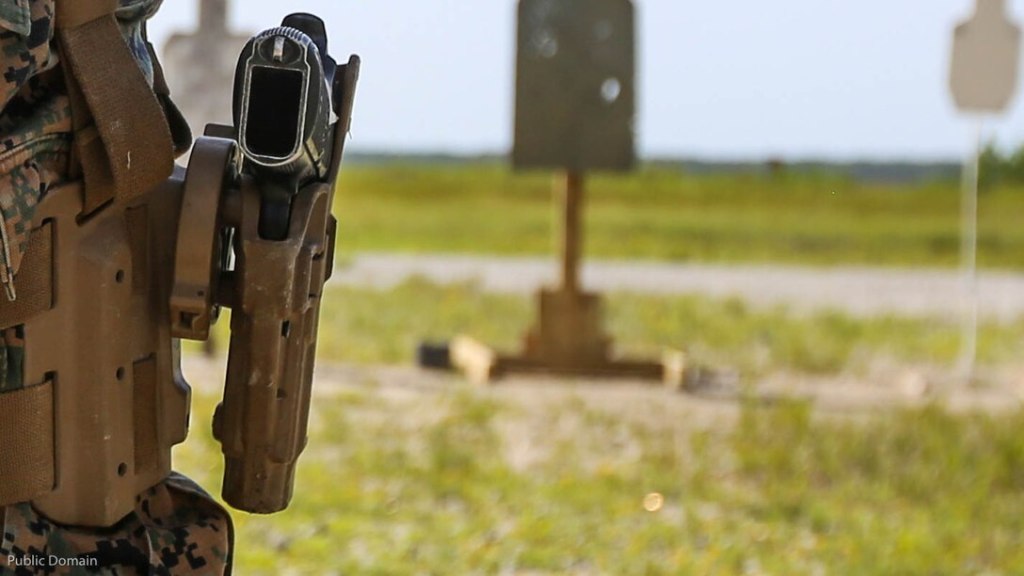
(U.S. Marine Corps Photo)
The logic behind these “safer” methods of carry sounds good on the face of it, and its adherents will fire off questions like, “you WANT to be SAFE, don’t you” in the face of any argument against these silly ideas. However, once you get into the physical mechanics of Conditions 2 and 3, you’ll find that they both require a lot more manipulation of the weapon and its controls to get the weapon into action. It’s even worse if you are forced by policy (or anxiety) to claw out a loaded magazine and insert it before even beginning to make ready. Sheesh…
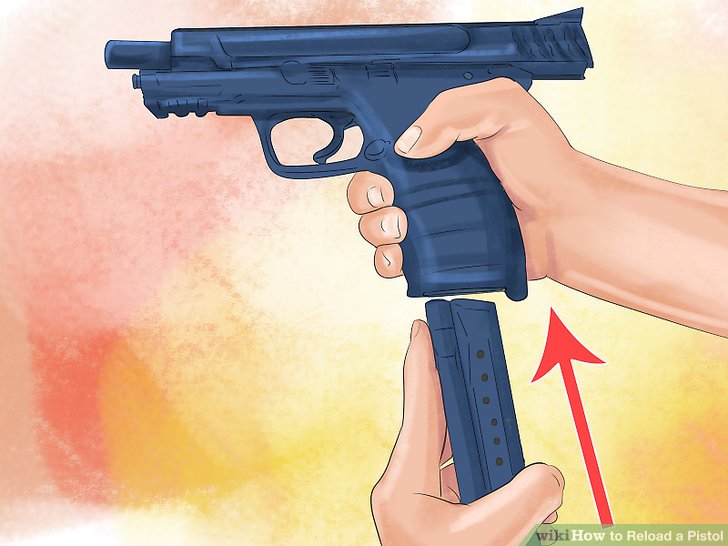
(WikiHow image)
Admittedly, there are some people who have gravitated to the so-called Israeli method, and have practiced hard in order to become quite good at it. Most of them have even managed to do it without shooting themselves. Even so, it’s not a very good method, and requires too much extra movement to be of much use when seconds count. I can almost guarantee you the average shooter is not going to put in tons of dedicated training time to perfect a technique like this, which is among the many reasons I don’t consider it a good way to carry. Simpler is better!
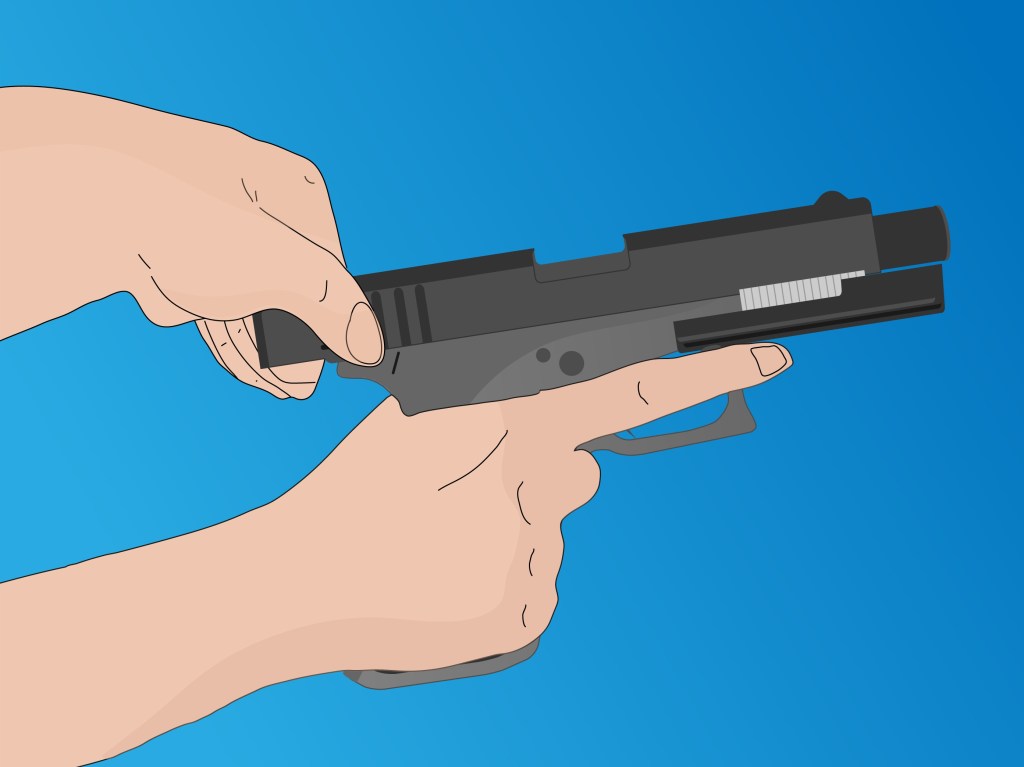
The frequent need to load/unload in empty-chamber carry conditions creates its own hazards, and multiplies the chance of accidental/negligent discharge by an order of magnitude over the much simpler Condition 1, in which you load it, lock it and LEAVE IT ALONE. I remember the time an Air Force Captain shot our clearing barrel in front of the dining facility on our FOB, and thinking if he had just left the pistol in the holster, loaded, locked and left alone, he could have gone in and had his evening meal without all the heartache that resulted from poor execution of poor administrative weapon procedures.
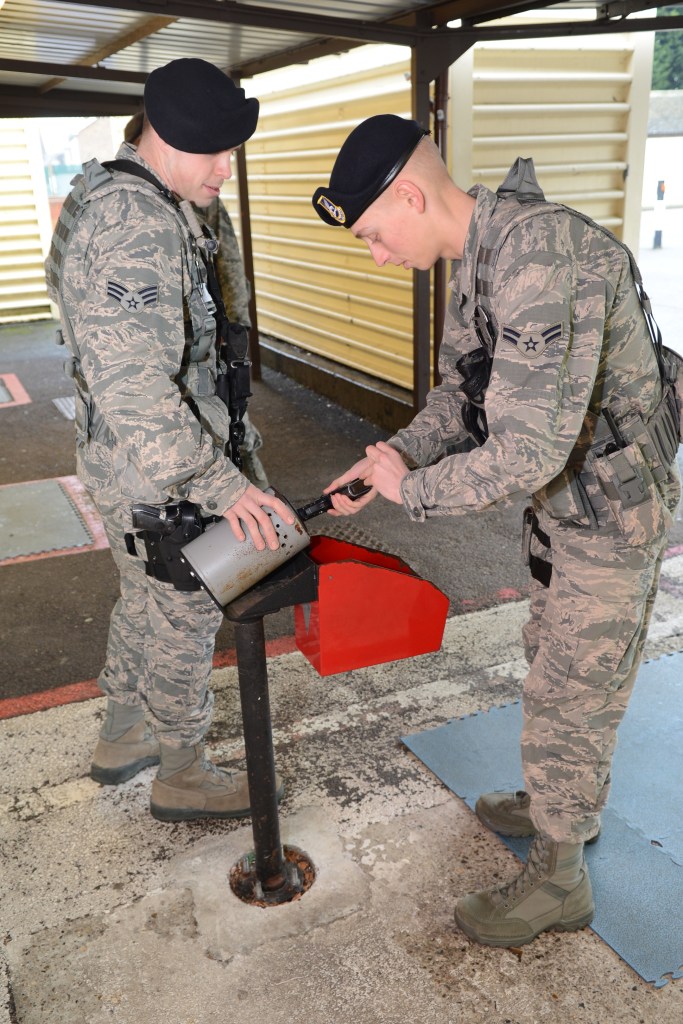
(US Air Force photo)
The 1911 was designed from the get-go to be carried cocked and locked over a loaded chamber. For many years, there were all kinds of stories about people experiencing accidental/negligent discharges with this weapon, leading to a administratively-driven prohibition on loaded chamber carry by everyone, everywhere. I personally believe that much of the aforementioned folklore came from careless use of older, much abused and seldom refurbished pistols with unaddressed mechanical problems, because a 1911 in good repair has no fewer than two and in Series 80 guns, even three (3) redundant safety systems in play to prevent AD/ND events. More modern pistols with similar operating systems also have redundant safety systems, all of which set the conditions for safe, accident-free loaded chamber carry.
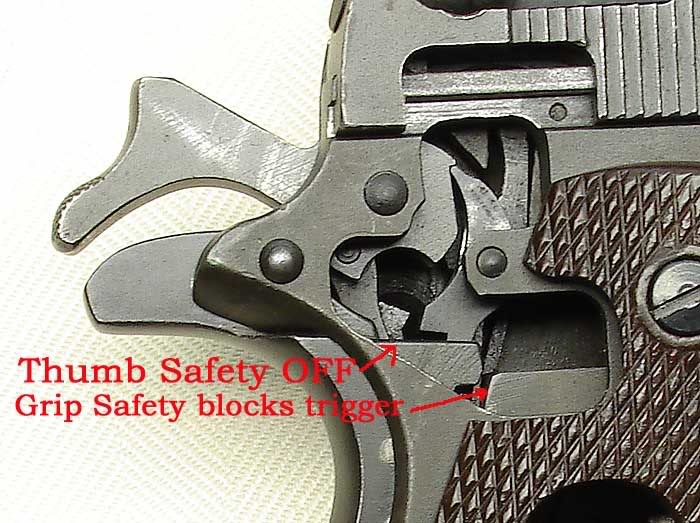
The fact is, no safety systems can prevent accidents when there is a constant perceived need to fumble around with the weapon, loading and unloading it, etc., due to weapon handling procedures cooked up in the name of “safety,” but in total disregard for practicality.

With all the above being said, I think the best preventive measure against poor training and unfamiliarity with weapons is, you guessed it, more and better training and familiarization with weapons. Seriously. Just about every area in America has facilities, ranges or training venues available within reasonable traveling distance for those interested in seeking proper training. There are numerous books, magazines and published articles on the subject, and each has something of use, even if you decide to go in another direction, you can still have that “extra tool in the toolbox.” There is never any “last word” in this stuff, and to be truly proficient, I think it’s important to keep an open mind about learning, develop and maintain humility in light of the fact that none of us can know everything, and be willing to get out of your comfort zone.
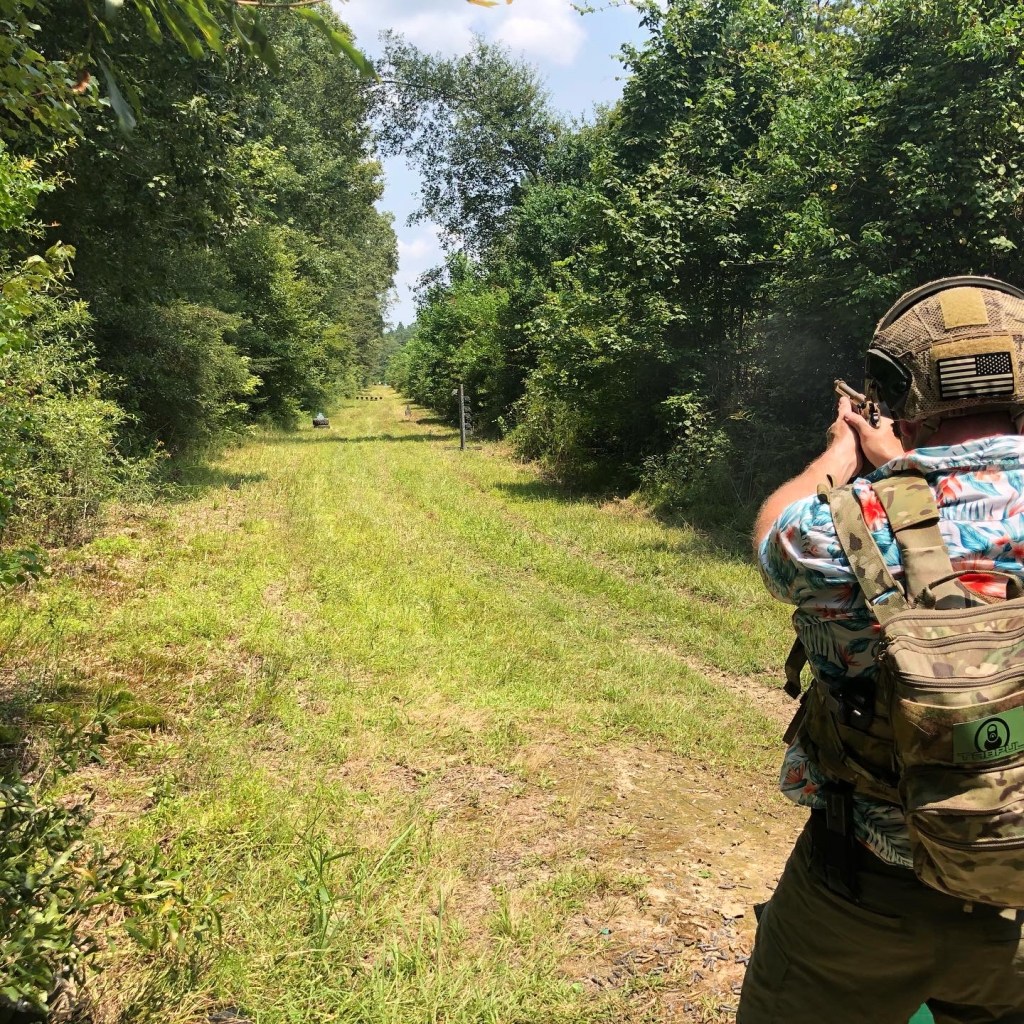
I’m the very first to admit that there are a great many things left for me to explore, significant gaps in my knowledge base, and undoubtedly, a whole host of bad habits I need to un-learn in the course of my experiential journey. Good quality training, practiced regularly is most certainly the way to perfect skills to the level we all want to reach. There is always more to learn, and there are so many places, programs and classes available nationwide where it can be done!
For those who are willing to put in the necessary time and effort, quality training from reputable sources, coupled with regular practice and daily use, will make it a lot easier to get comfortable with the idea of carrying your pistol in Condition 1, without perceived fears or urban myths getting in the way of efficient, safe, responsible everyday carry.
 The Harmony of the Pen and the Sword