After years of running around doing overseas contracting with as-issued weapons, I can’t tell you how nice it is to be able to carry my own stuff again! The guns we ended up with in Afghanistan were all “rode hard and put up wet,” but they worked.

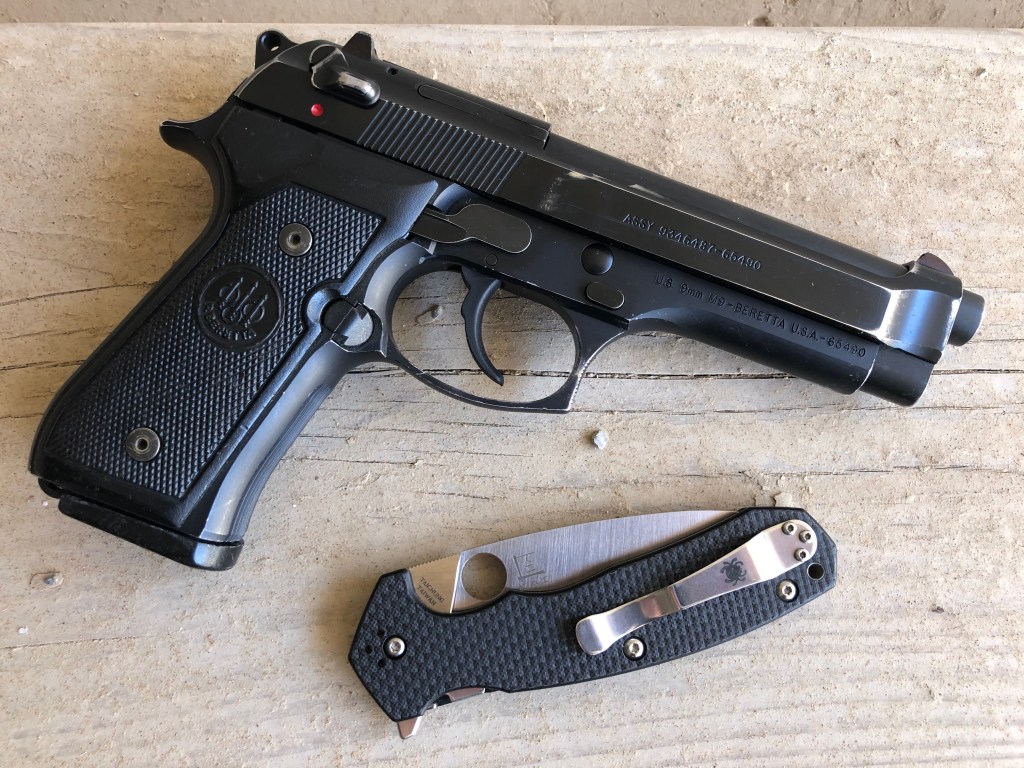
The Beretta M9/92FS was a staple of our handgun presence overseas, and hasn’t quite been fully replaced by the new Sig M17/M18, especially in contractor organizations and reserve units. A LOT of people over the years have professed a strong hatred for the M9, but I always found it to be an accurate, reliable pistol that was (and still is) a joy to shoot.
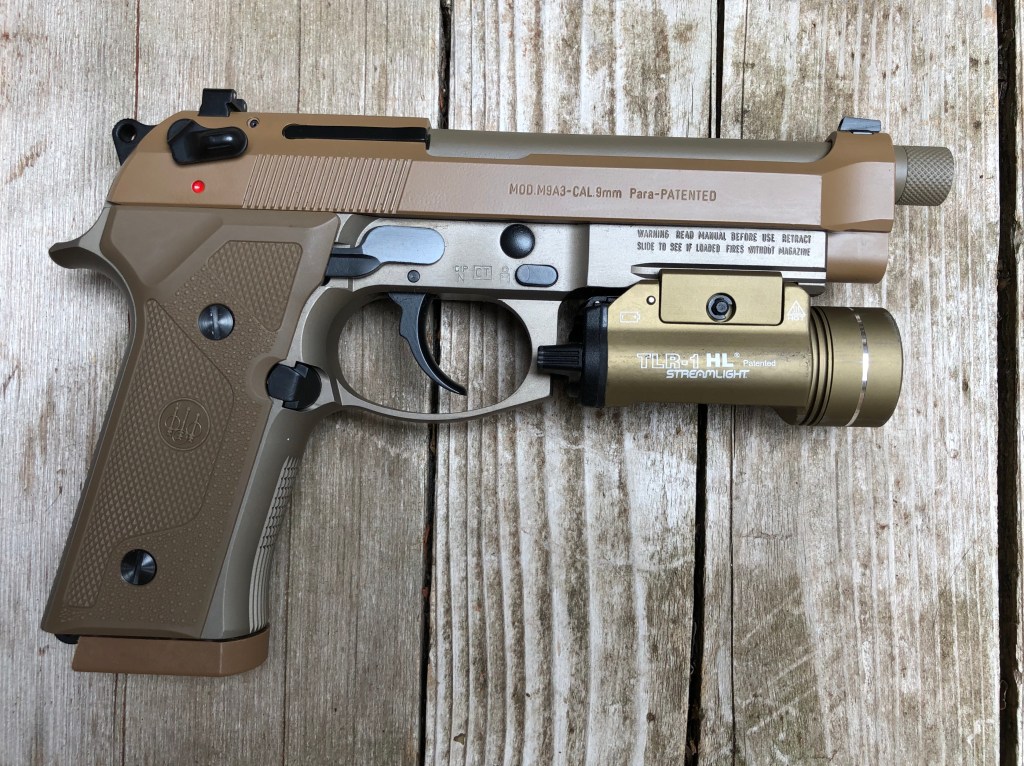
The Beretta “M9” that I got issued in Kabul was actually a Beretta 92FS commercial pistol, but it worked and was in decent condition. I swapped out the recoil spring and cleaned the magazines right after I received it from the arms room, and it functioned well enough for government work. I was surprised (and a little alarmed) to learn that few contractors maintained their weapons beyond a cursory exterior cleaning, and almost none of them cleaned out the worn and dirty magazines we got issued. “It’s your funeral if we get hit and your weapons don’t work,” thought I, and cleaned my weapons religiously as a matter of habit. I like my stuff to work when I need it, and besides, there’s not much else to do during your downtime over there.
A lot of what I saw was simple stuff that could be easily remedied with proper maintenance: stuck followers, dirty/corroded ammo, damaged magazines, bent/worn out springs and similar things that happen more often than not with weapons and supplies that see tons of use. The willingness to fix the stuff, coupled with the difficulty of getting replacement parts, was the big problem, and oftentimes, known “problem children” would just get shuffled to the back of the arms room and be forgotten.
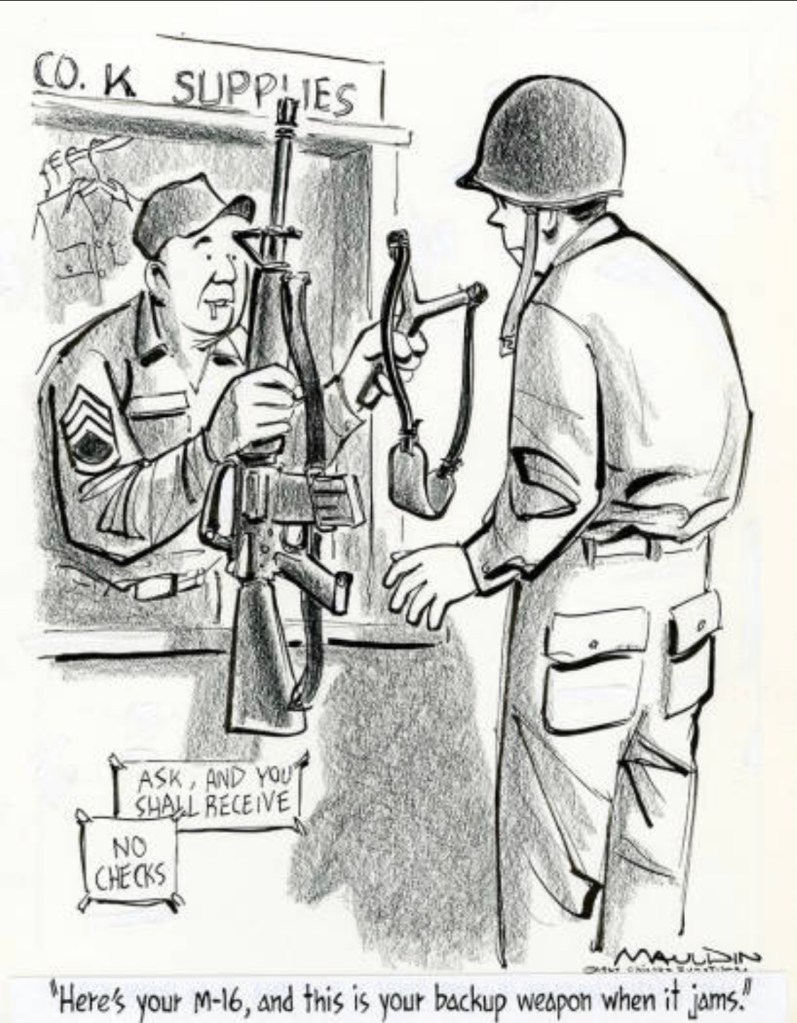
The lesson learned from that is not only to clean your stuff as well as you can, but that a lot of weapons that have a “reputation” for unreliability are actually pretty good. The Beretta M9 has weathered decades of bitter complaints, but in my experience, it’s a good quality handgun that works just as it should, but like any machine, you still have to clean and maintain it properly. Even the highest quality handguns will suffer breakage and malfunction if they’re mistreated or poorly maintained, so with that in mind, I think all the negative folklore about the Beretta M9 is something that can easily be dispelled with proper use and care.
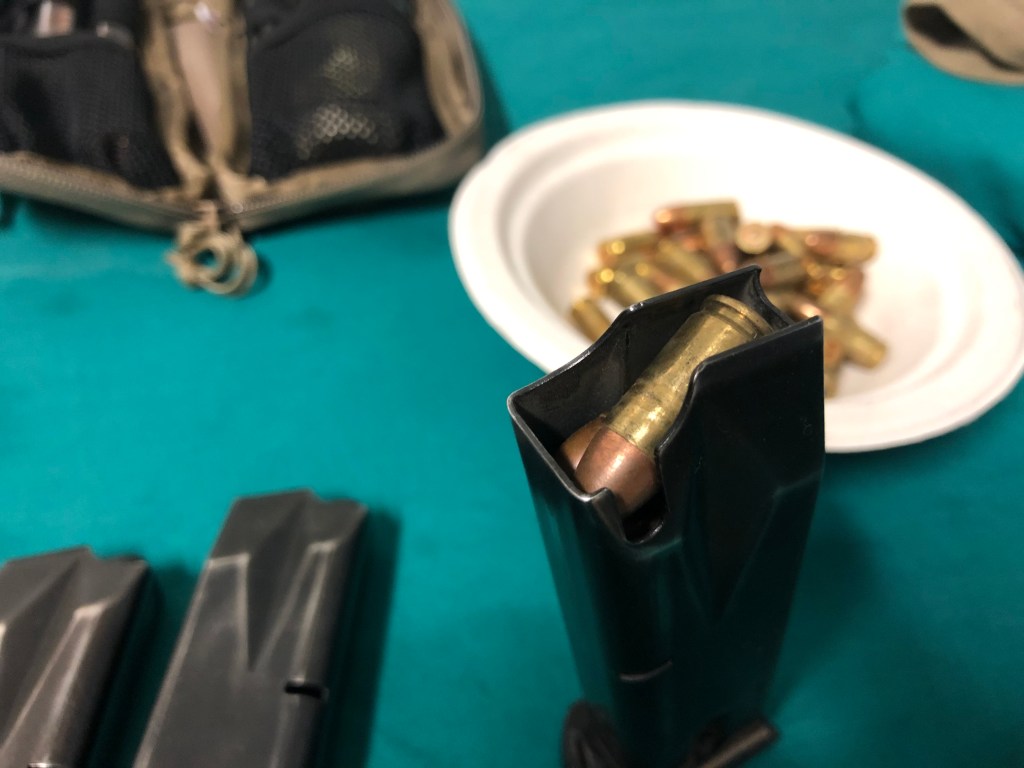
I think a lot of that negative folklore stemmed from the oft-referenced issues with the Checkmate magazines, specifically the textured phosphate finish on them that was blamed for malfunctions back during the Global War On Terrorism (GWOT). I think it was less a matter of the magazines themselves, and more a matter of the lack of regular cleaning and maintenance on the mags. I’m sure people cleaned their handguns every so often, but I’ve hardly ever seen anyone disassemble and clean their mags, even in the training environment. The desert features fine, wind-blown airborne dust that gets into everything, and if there’s enough of it in a magazine body, it doesn’t really matter at that point what finish the mag body has on it or how it’s constructed. If you’ve ever dropped the floorplate on a heavily used pistol magazine, you’ll be surprised to see what kind of garbage ends up in there, even after just one range session or a week of daily carry. Dust, unburned powder flakes, lint, dirt and carbon all pile up in there and have the potential to mess up your day.
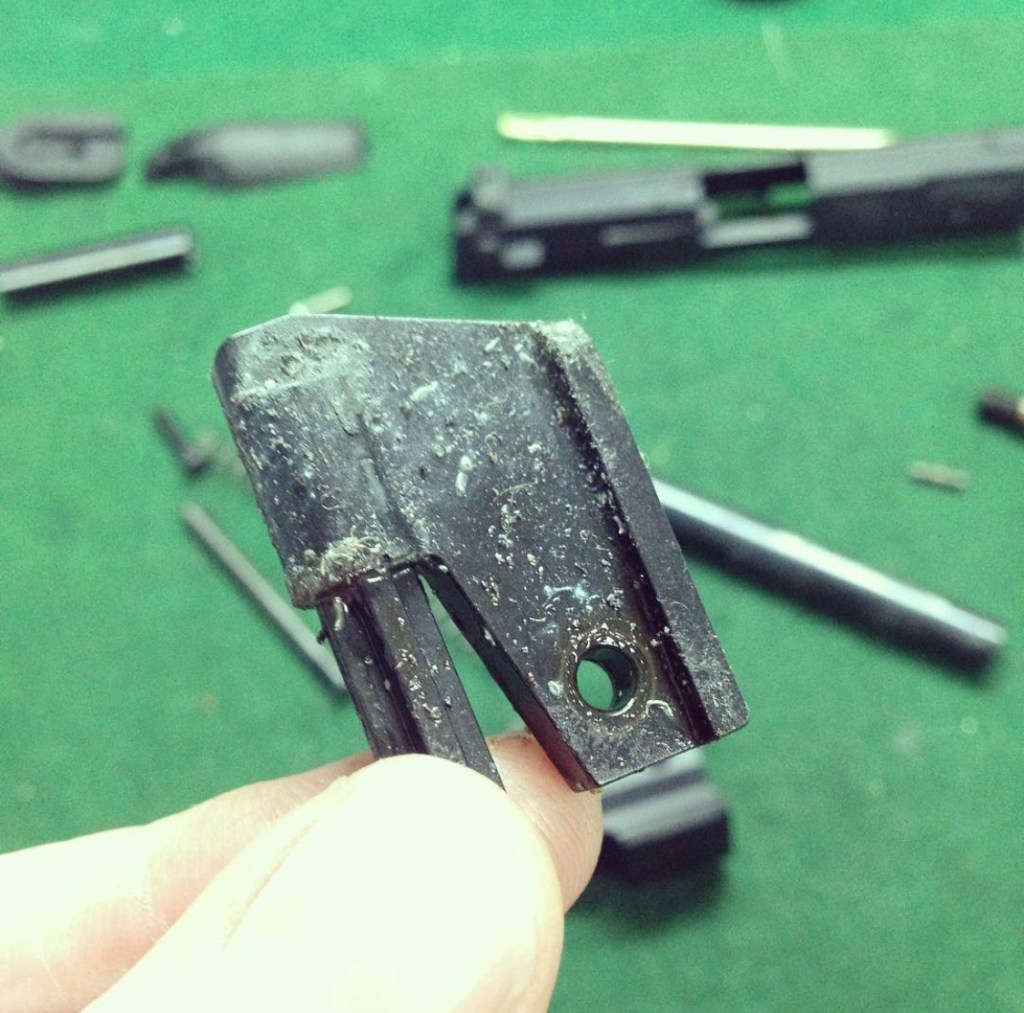
Fortunately, the fix is easy: just pop the floorplate, wipe down all the internal parts and run a brush and a rag through the mag body until all the accumulated grit and grime is gone. Easy-peasy! This guidance also applies to just about any box magazine, BTW, whether it be rifle or pistol. Disassembling them also gives the user an opportunity to check for damage like bent/cracked feed lips, dents, broken internal parts and other damage that can “deadline” the magazine.
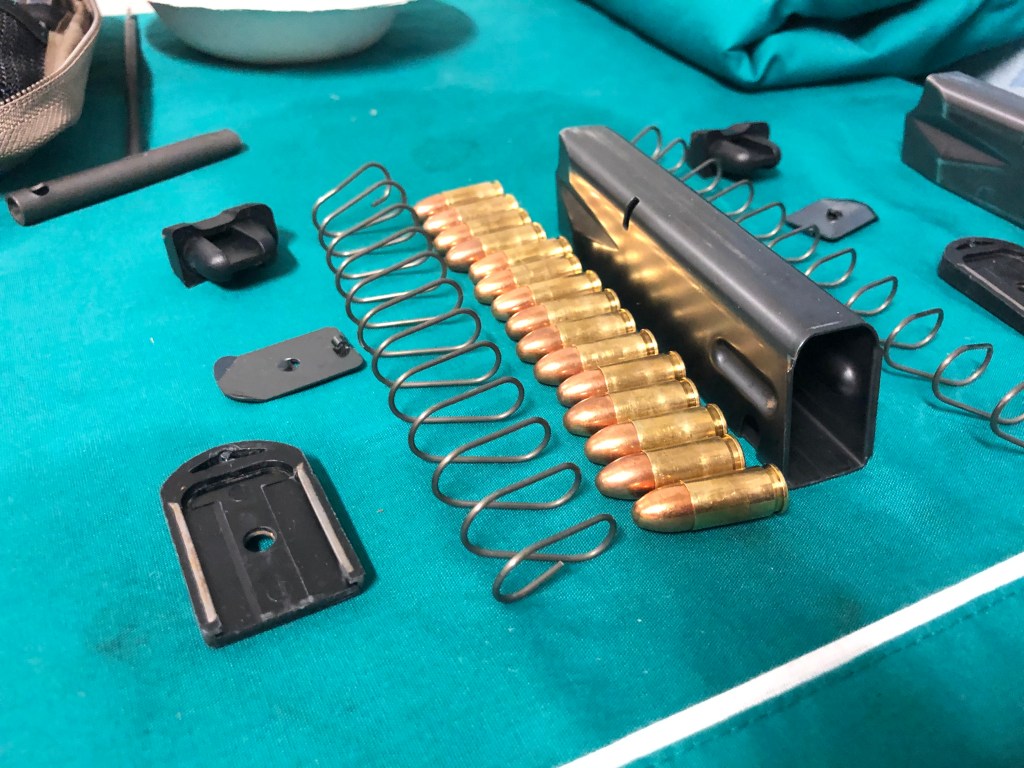
None of this is really anything new, but I think it’s interesting to note that none of this guidance appears in any of the manuals or TMs I’ve ever laid eyes on. In the military, magazines are considered expendable items, so what they would consider “extensive maintenance” is not required – just go to Supply, get replacement mags and throw the damaged ones away. However, if you are paying for your own mags, it’s time well spent to maintain them, and the dividend is better function, longer life and a greater understanding of how the magazine works in relation to the weapon itself.
Boogity.
 The Harmony of the Pen and the Sword